Vitiligo Camouflage
Walnut Creek • California
Walnut Creek • California
Specialized paramedical micropigmentation for clients with stable vitiligo, designed to help restore skin tone with refined, natural-looking blending. Serving Walnut Creek, Rossmoor, the Bay Area, and clients traveling across California.

Serving Walnut Creek, Rossmoor, and nearby East Bay communities
Evaluation, expectations review, and pigment response discussion
Custom color matching designed for refined skin tone restoration
Private, respectful, premium consultation experience

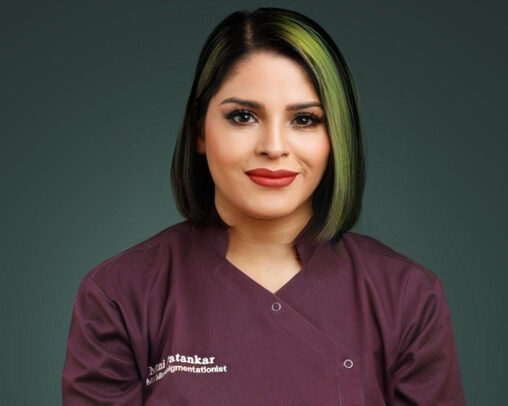
Mini Patankar is an internationally recognized paramedical micropigmentation specialist known for vitiligo camouflage, scar camouflage, and sophisticated color matching. Her work focuses on restoring harmony, confidence, and a more natural visual blend for clients living with stable vitiligo.
With over 17 years of experience and recognition across international conferences, awards, judging panels, and media features, Mini brings a level of refinement that combines precision, artistry, and consultation-based care.
Now serving Walnut Creek, California, she offers a premium client experience for those searching for a trusted vitiligo camouflage specialist in the Bay Area.
Vitiligo camouflage is not a one-size-fits-all service. Skin stability, healing behavior, area of the body, undertone, lifestyle, expectations, and past history all matter.
That is why the first step is a consultation and patch test discussion, so the process can be approached carefully and professionally.
A premium, consultation-first experience designed to evaluate suitability, refine expectations, and aim for elegant skin tone restoration through custom micropigmentation.
We discuss your vitiligo history, area of concern, stability, goals, and expectations in detail.
Pigment suitability, skin response, healing expectations, and realistic outcomes are carefully reviewed.
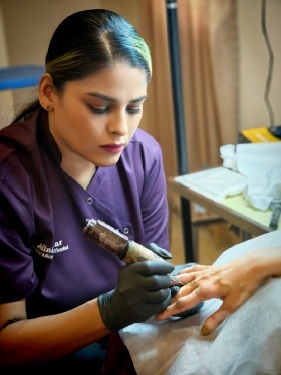
Custom-blended pigments are applied with precision to help the treated area blend more naturally with surrounding skin.
Healing, settling, and touch-up needs vary by client, so follow-up planning is part of the process.
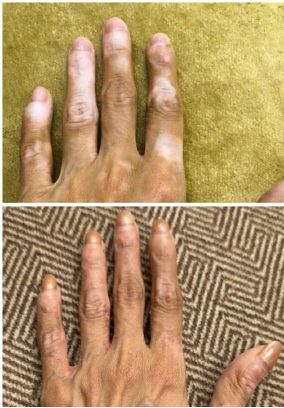
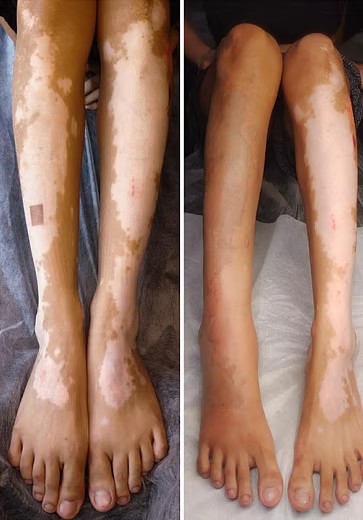
A premium visual section showing the range of vitiligo camouflage work, color blending, and paramedical micropigmentation artistry.
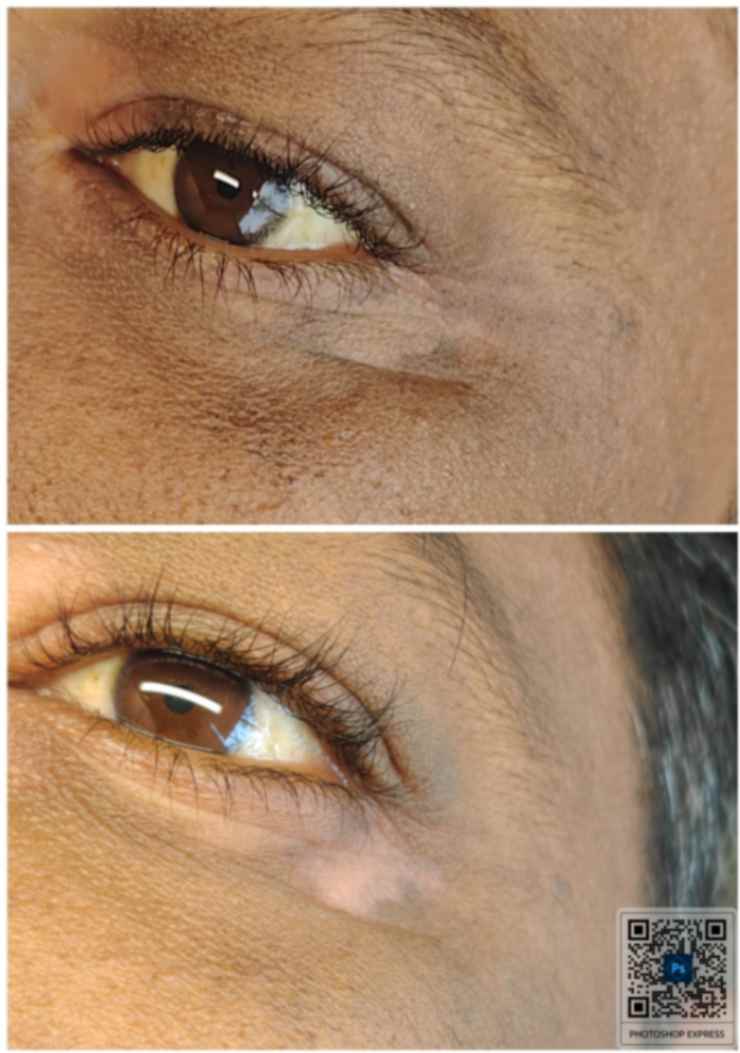
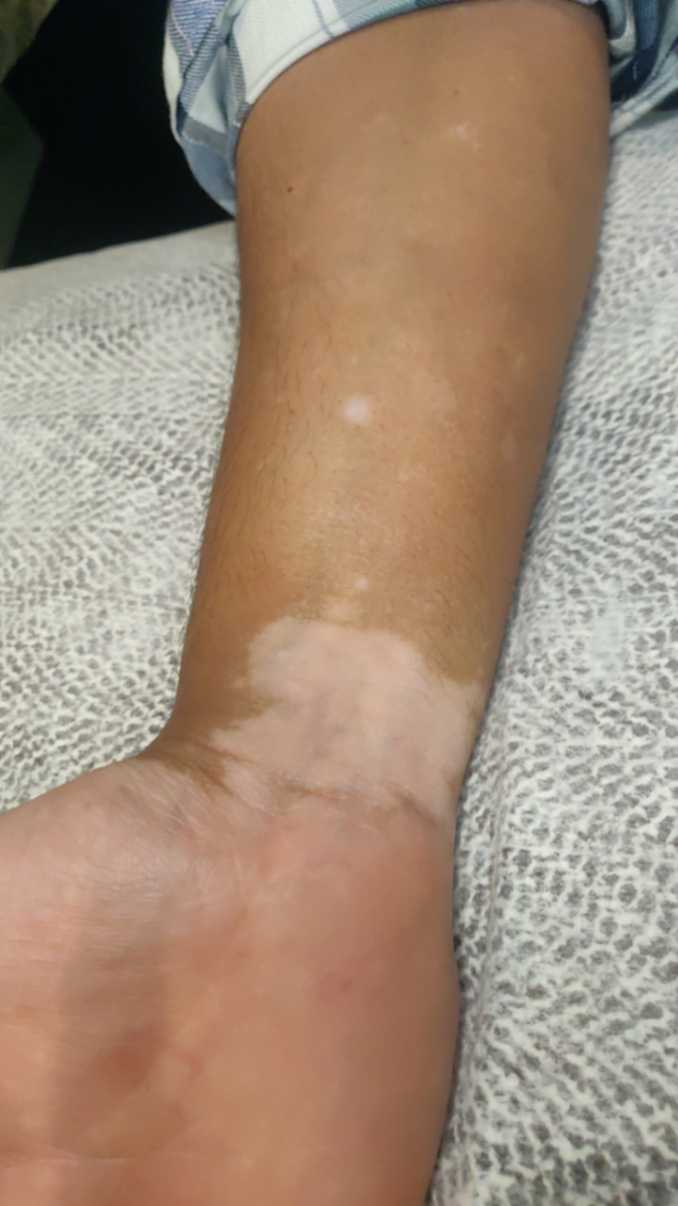
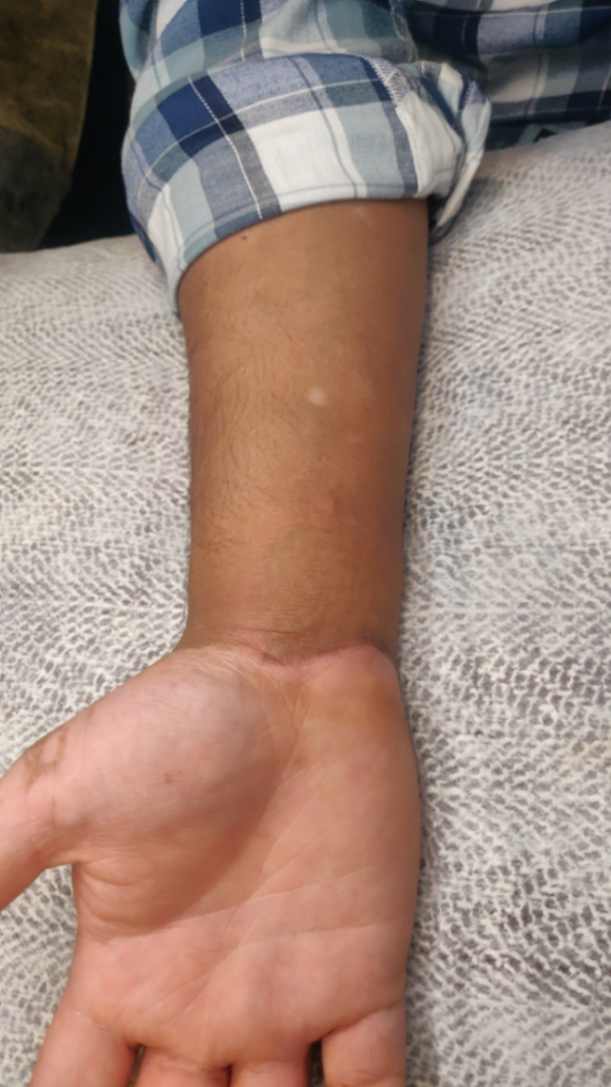
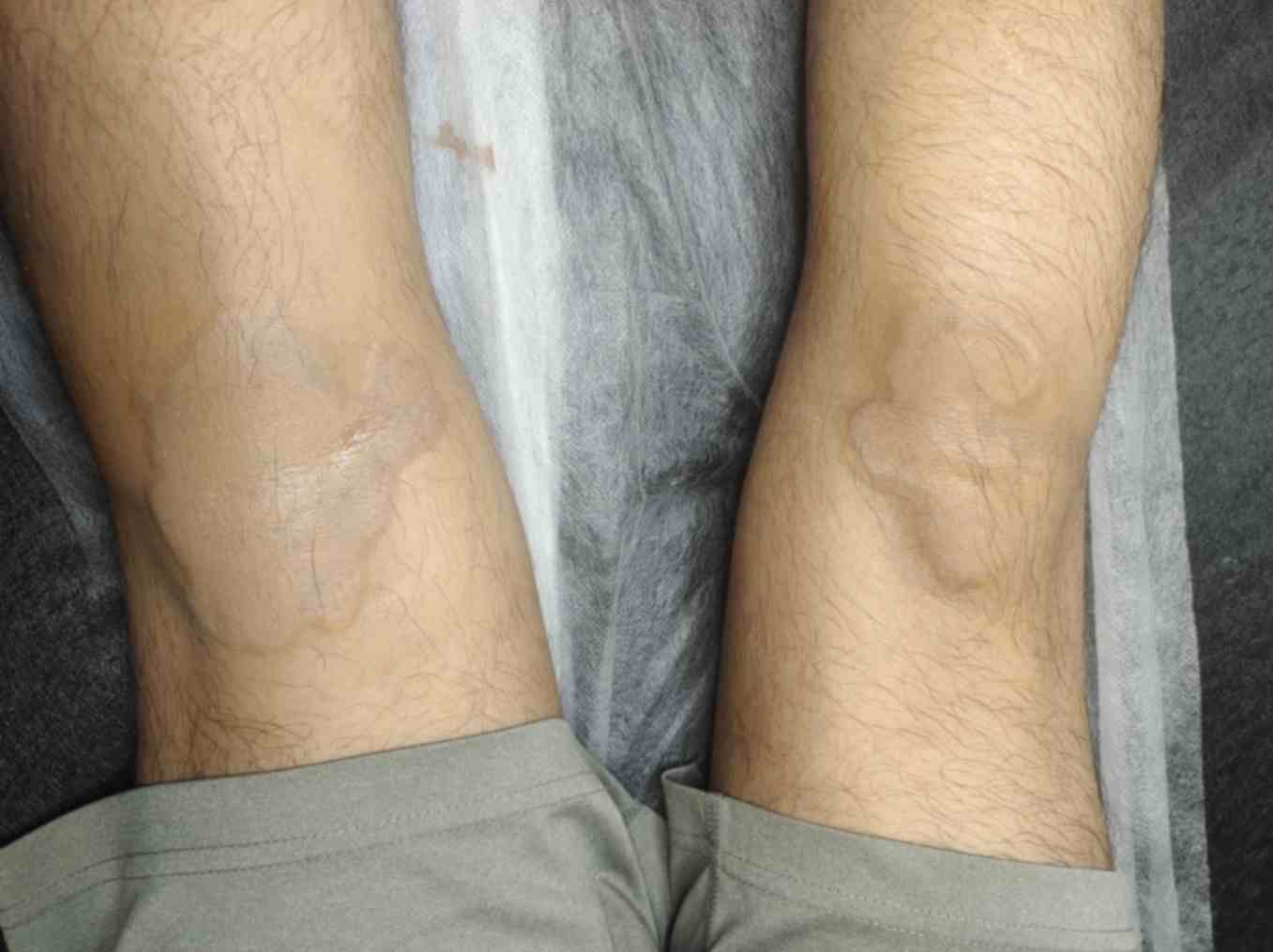
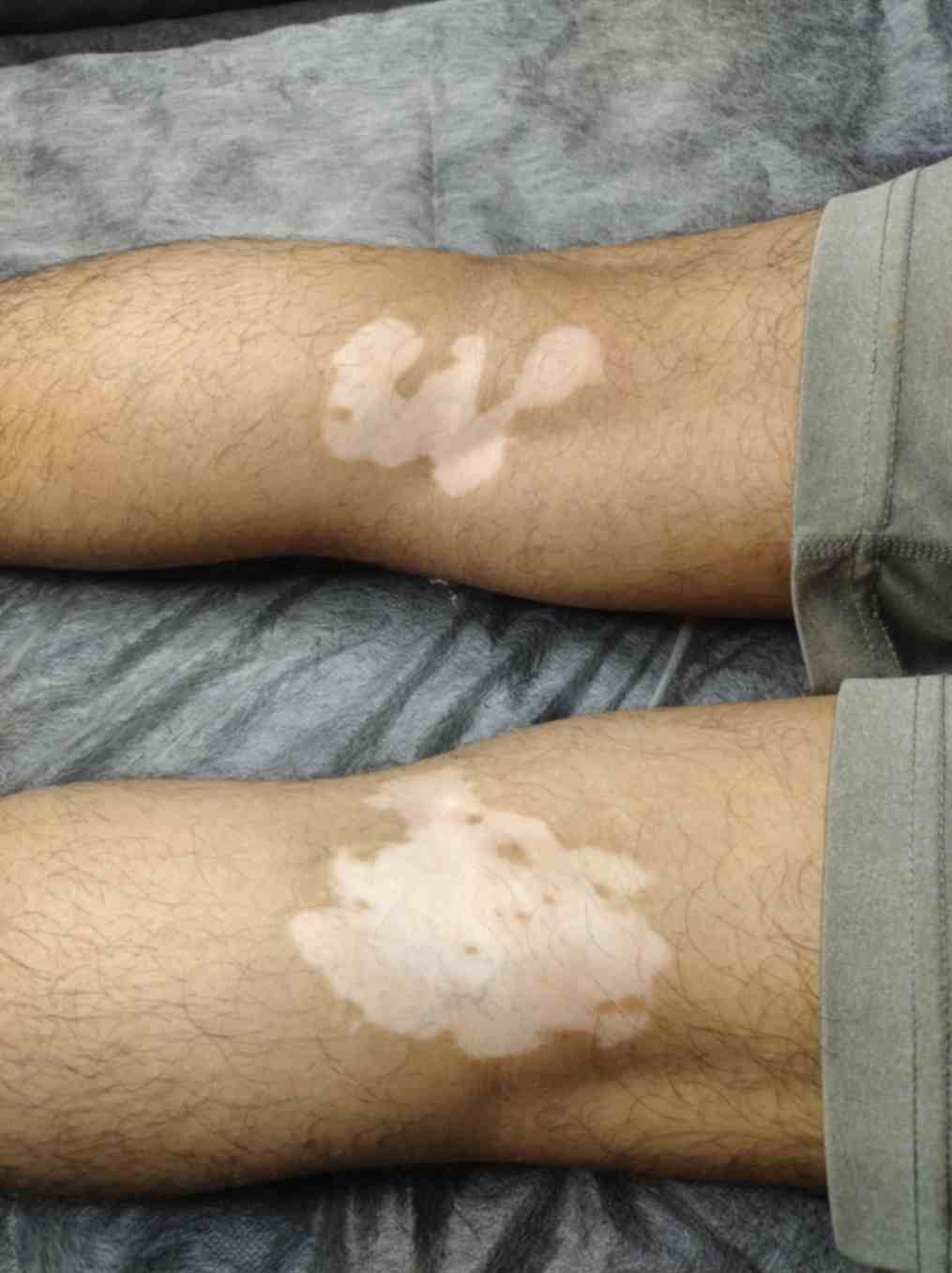
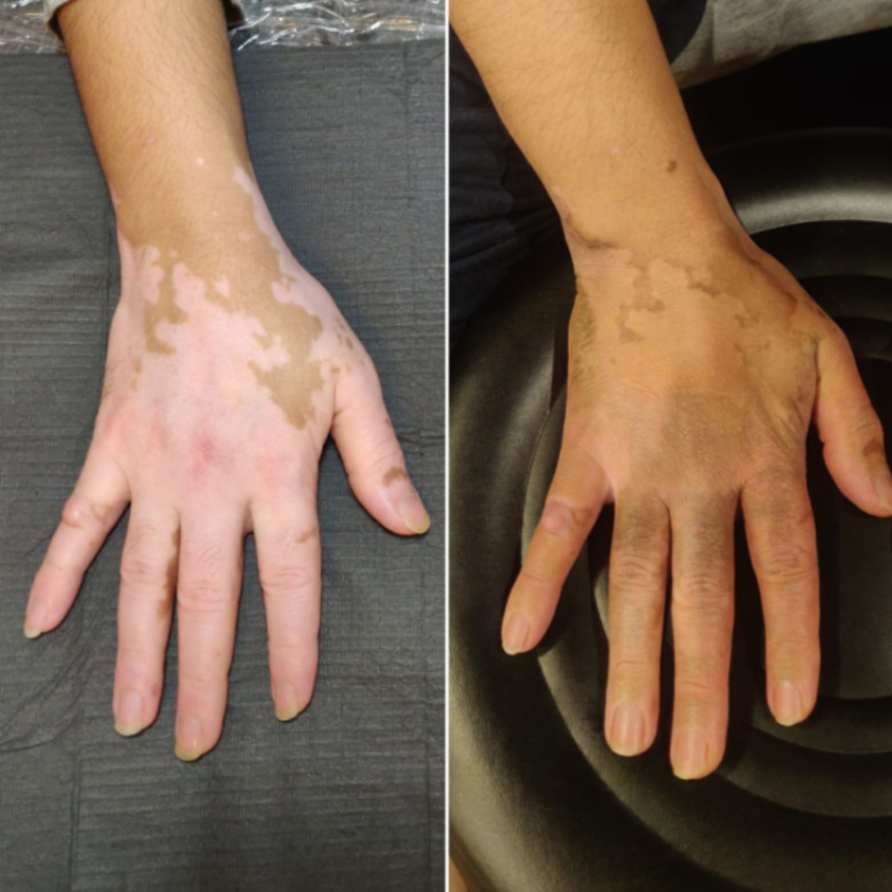
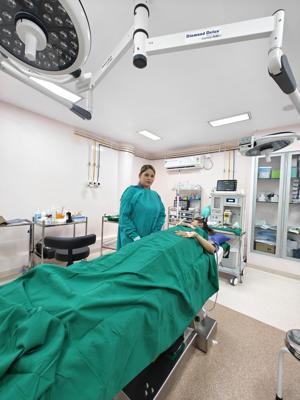
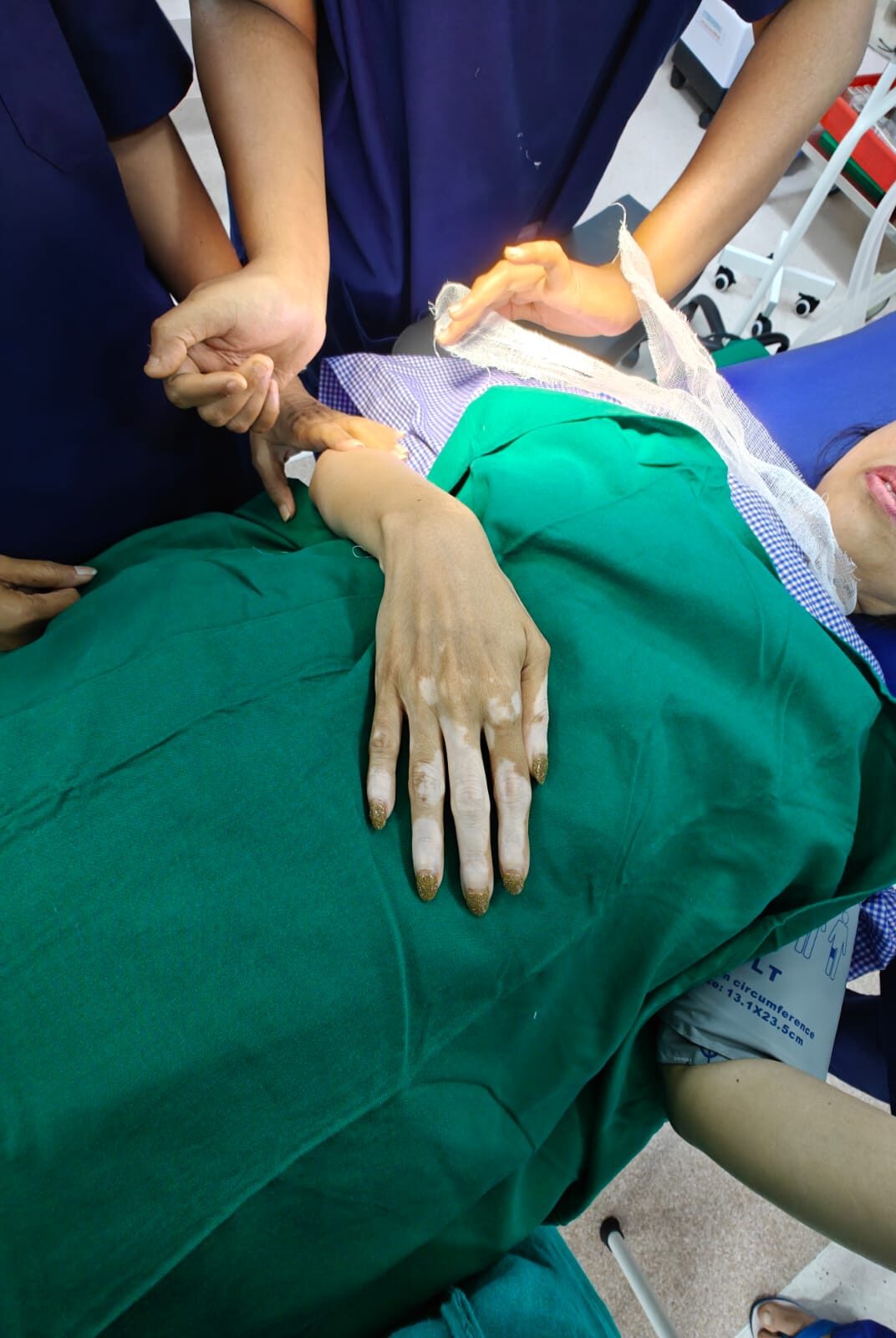
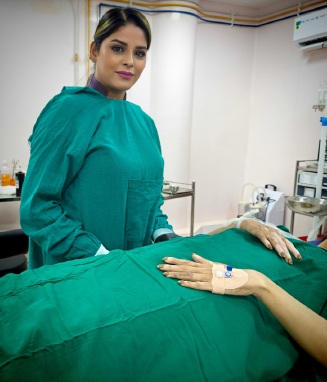
A trust-building section highlighting professional clinical environment experience, including OT work and dermatologist-assisted vitiligo camouflage procedures.
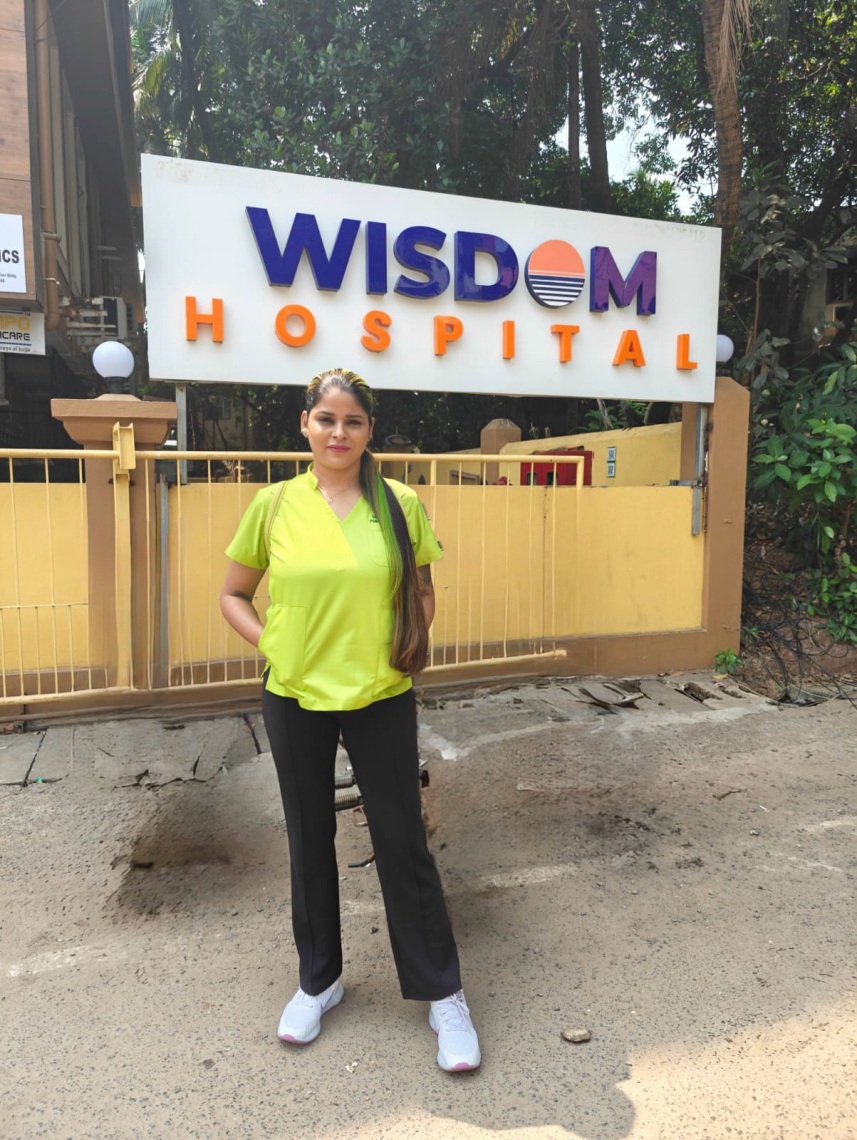
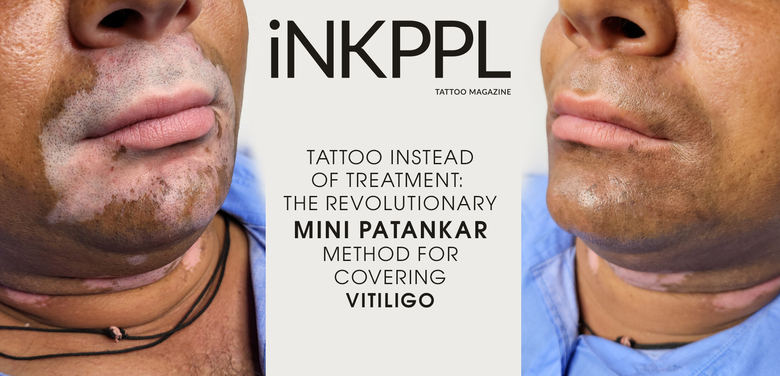
A press section that helps immediately build trust for first-time clients searching for vitiligo treatment in Walnut Creek, the Bay Area, and California.






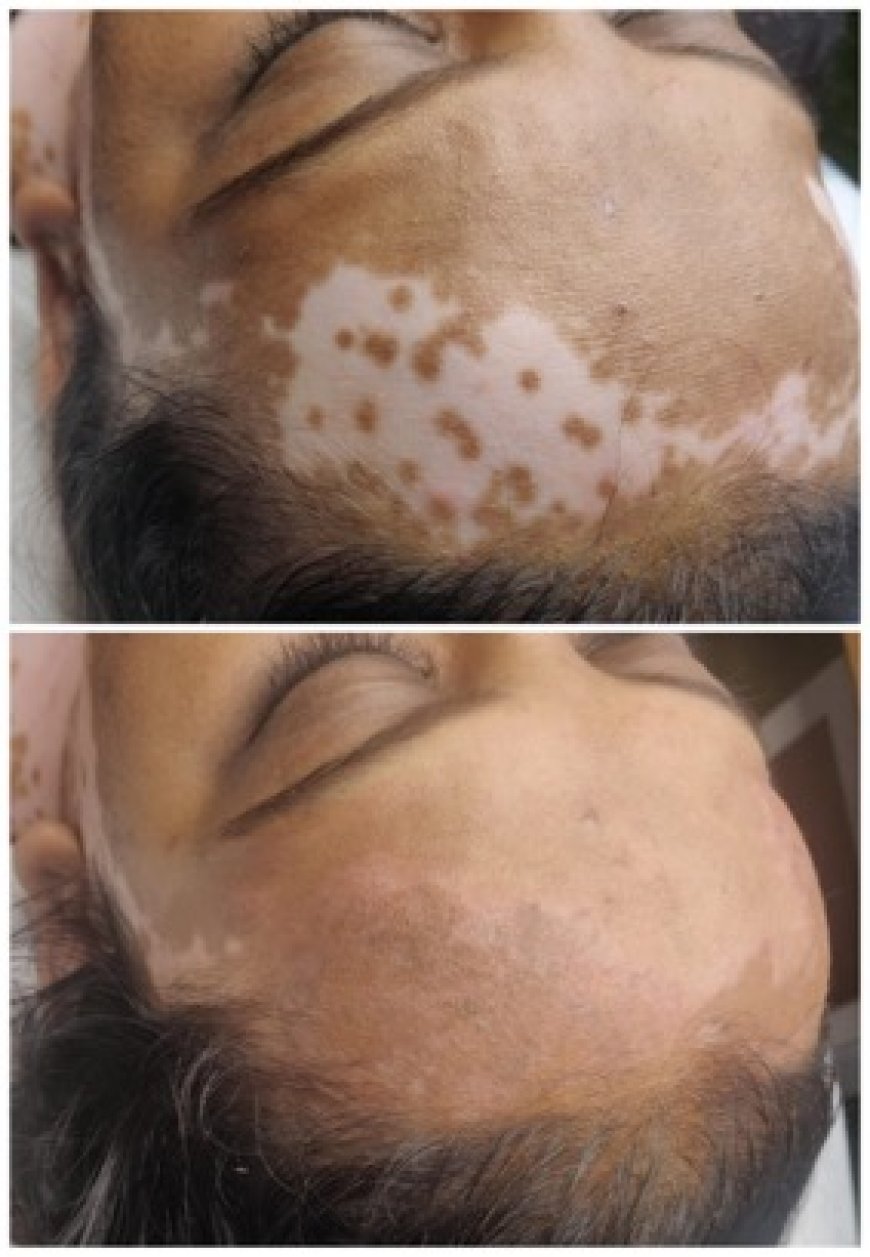

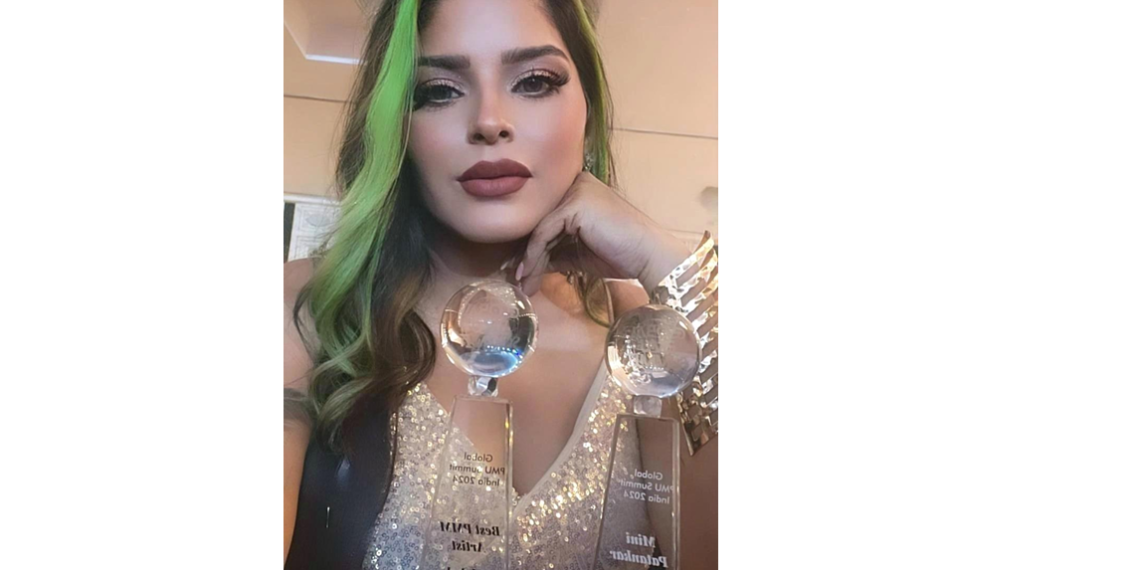
A premium visual gallery of awards, recognitions, winner banners, and professional achievements that reinforce authority and trust.





The difference is not just the pigment. It is the eye, the patience, the color interpretation, the consultation, the environment, and the care taken to create a result that looks soft, balanced, and believable.
This page is designed for clients looking for a serious vitiligo camouflage specialist in Walnut Creek, not a rushed or generic tattoo service.
Expertise, artistry, international recognition, and a premium client experience all work together to create a more reassuring consultation journey.
Featured, awarded, and recognized across international beauty and paramedical micropigmentation platforms.
Years of work dedicated to precision pigmentation, camouflage artistry, and nuanced skin tone blending.
A more thoughtful journey with evaluation, planning, communication, and expectation management.
Convenient for clients in Walnut Creek, Rossmoor, and the wider East Bay seeking specialized care.
“She gave me my face back. There’s no better way to say it.”
— Client testimonial
“I feel like myself again.”
— Client testimonial
“Absolutely life-changing.”
— Client testimonial
This section is designed to answer the questions thoughtful clients and families often ask before booking. It covers comfort, healing, candidacy, age, pregnancy, older clients, diabetes, pricing, insurance, downtime, and what to expect from a professional consultation.
Vitiligo camouflage micropigmentation is a cosmetic paramedical procedure that uses carefully selected pigment to help depigmented skin blend more naturally with the surrounding tone. It is intended to improve appearance and confidence. It is not a medical cure for vitiligo.
The strongest candidates are usually people with stable vitiligo who want cosmetic blending and realistic visual improvement. Consultation helps determine whether the skin appears suitable, whether the area is appropriate, and whether expectations are aligned with what the procedure can realistically deliver.
Stable vitiligo generally means the depigmented area is not actively spreading or changing significantly over time. Because camouflage work relies on consistency, active or rapidly changing areas are often approached much more cautiously.
Many parts of the body may be considered, including face, neck, arms, hands, legs, feet, torso, and other visible areas affected by depigmentation. Some areas are simpler to treat than others, while delicate or highly mobile zones may require a more conservative treatment approach.
Areas such as hands, fingers, elbows, knees, joints, lips, eyelids, and any zone with thinner skin or frequent friction can be more technically demanding. These areas may require more caution, more sessions, and more realistic expectation setting.
Many appointments are around 2 hours, though the total time depends on the treatment area, complexity, and how much detail is needed.
In many cases, clients should plan for 3 to 4 sessions spaced several weeks apart. Depigmented skin can absorb pigment differently, and a natural-looking result often requires gradual layering instead of one aggressive session.
Yes. Clients should plan for approximately 15 days of healing care. During that time, the area should be treated gently and protected so the skin can settle properly.
No. Swimming pools, hot tubs, ocean water, sauna, steam, and prolonged soaking should be avoided during healing. The treated area needs a clean, controlled healing environment.
Keep the area clean and dry as directed
Avoid picking, scratching, rubbing, or friction
Avoid swimming, steam, and excessive sweating during healing
Protect the area from unnecessary irritation and contamination
Follow the exact aftercare instructions given during your appointment
Comfort varies from person to person and depends on the body area, skin sensitivity, and treatment plan. Some areas are easier than others. During consultation, comfort expectations are discussed honestly so you know what to expect before moving forward.
Many older clients may be appropriate candidates, but mature skin can heal differently. Skin fragility, circulation, medications, and overall health history should be reviewed carefully during consultation before any treatment plan is made.
This service is generally deferred during pregnancy. For safety and caution, most elective cosmetic micropigmentation procedures are postponed until after pregnancy and, if relevant, after breastfeeding considerations have been reviewed.
This should be discussed on a case-by-case basis. Many providers prefer to postpone elective cosmetic procedures during breastfeeding unless there is a clear plan and comfort level established after reviewing medical and lifestyle factors.
This service is not performed for clients under 18 years of age.
Clients with diabetes must be screened carefully because healing can be affected. If blood sugar is poorly controlled or healing is compromised, the procedure may not be appropriate until medical stability is improved.
Uncontrolled or high diabetes, delayed healing, circulation problems, or a history of difficult recovery may make treatment unsafe or inappropriate. In those situations, medical clearance may be necessary, and sometimes treatment may need to be postponed or declined.
That should absolutely be discussed before treatment. Sensitive skin, allergies, past reactions, scar behavior, or unusual healing history can affect whether the service is appropriate and how conservative the plan should be.
No. If the area is inflamed, infected, irritated, or not healthy, treatment should not be performed until the skin is calm and appropriate for cosmetic work.
Sometimes yes, but scar texture and healing behavior can affect the plan. Scarred skin often behaves differently from normal skin, so consultation is especially important in those cases.
Small areas: $350 – $600 per session
Medium areas: $600 – $1,200 per session
Large areas: $1,200 – $2,500+ per session
Hourly rates often fall around $200 – $400 per hour
Pricing depends on square inches, body location, complexity, number of sessions, pigment layering needs, and how technically demanding the blending is. Highly visible or difficult areas often require more time and more conservative work.
For a moderate area, a first treatment series often falls in the range of about $2,500 – $4,500 depending on size, complexity, and session count.
Many practices charge a consultation fee, often in the range of $75 – $150, and in some cases that amount may be applied toward the first treatment session.
In most cases, no. Insurance companies in the United States usually classify vitiligo camouflage or micropigmentation as a cosmetic procedure rather than a medical necessity, so it is usually not covered.
It is usually categorized as cosmetic rather than reconstructive
It does not treat the autoimmune disease itself
Insurers usually view it as appearance-related rather than function-restoring
In rare cases, a patient may attempt an appeal with a Letter of Medical Necessity from a dermatologist or mental health professional if there is severe psychosocial distress, depression, or strong documentation of impact on daily life.
In some cases, yes. Clients may be able to use HSA or FSA funds if they have appropriate supporting documentation, but that depends on plan rules and whether the expense can be justified through medical or mental health documentation.
Yes, payment plans are available. During consultation, treatment cost can be broken down clearly so you understand the likely series, payment structure, and how to move forward comfortably.
The best next step is to schedule a consultation. That is where the area can be reviewed properly, stability can be discussed, healing-related concerns can be screened, questions about timing and price can be answered, and a more realistic personalized plan can be created.
This checklist helps clients think through whether they may be an appropriate candidate for consultation. It is designed to feel organized, reassuring, and medically mindful before treatment planning begins.
This checklist is not a diagnosis and does not replace consultation. It is meant to help you prepare thoughtful questions and identify important medical or healing-related topics before scheduling treatment.
That is exactly what the consultation is for. We can review your treatment area, discuss whether the vitiligo appears stable, talk through comfort, healing, timing, pricing, and answer questions about older age, diabetes, pregnancy timing, and realistic results.
Your consultation is the first step in understanding whether vitiligo camouflage may be appropriate for your skin, goals, and expectations.
If you are searching for vitiligo treatment in Walnut Creek, vitiligo camouflage in California, or a vitiligo specialist in the Bay Area, this page was built to help you understand a more refined paramedical micropigmentation option. It is especially relevant for people seeking a premium consultation experience, custom color matching, and a specialist-led approach in Walnut Creek.
Vitiligo Camouflage welcomes clients from Walnut Creek, Rossmoor, Concord, Lafayette, Pleasant Hill, Danville, Martinez, and surrounding East Bay communities, as well as those traveling from across California for consultation-based vitiligo camouflage services.